

Core Civil and Infrastructure Estimating Methodologies
Effective cost management in civil and infrastructure projects requires precise estimating methodologies. Various techniques ensure that project costs are accurately forecasted, minimizing financial risk and optimizing resource allocation. This article will delve into the essential methodologies and tools that professionals use to navigate the complexities of civil and infrastructure estimating. Readers can expect to learn about earthworks estimating techniques, factors influencing cost estimation, and best practices for bridge construction cost estimation. Moreover, it will highlight how effective quantity surveying improves construction cost management in Australia, addressing common challenges and solutions. Understanding these methodologies is crucial for project managers and stakeholders aiming to achieve successful project outcomes while adhering to budget constraints.
Methodologies and Tools
In the realm of civil and infrastructure projects, a variety of methodologies and tools aid in accurate cost estimation. This section offers insight into these essential components:
- Comprehensive Quantity Takeoffs: Accurate quantity takeoffs provide the foundation for constructing reliable cost estimates by detailing necessary materials, labor, and equipment required for project completion.
- Advanced Estimation Software: Utilizing modern software tools helps streamline the estimation process, allowing for quick adjustments as project parameters change, thereby enhancing accuracy and efficiency.
- Cost Databases: Access to up-to-date cost databases ensures that estimators have the most current pricing information at their fingertips, facilitating accurate budgeting and forecasting.
Adopting these methodologies can significantly improve the likelihood of a project’s financial success, paving the way for efficient resource usage.
Earthworks Estimating Techniques
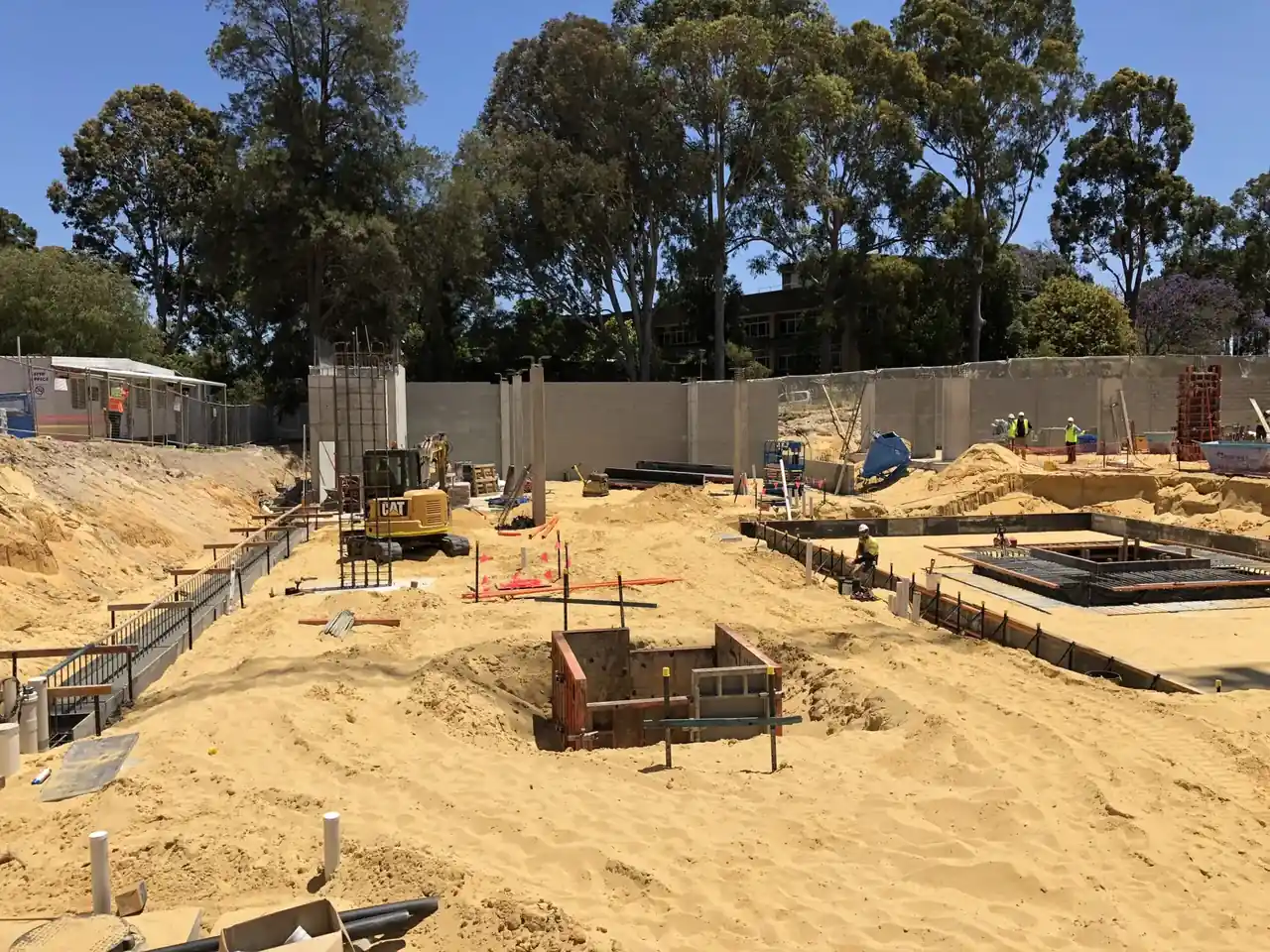
Accurate earthworks estimating is vital for laying the groundwork in civil construction. This section identifies specialized techniques that estimators can utilize to enhance accuracy in forecasting earthworks costs.
Cut and Fill Quantities
Estimators must calculate cut and fill quantities to determine the amount of earth to be removed or added to a construction project site. This calculation not only influences material costs but also impacts project timelines and overall budget.
Equipment and Labor Costs
Understanding the costs associated with specialized equipment and labor is crucial for producing an accurate estimate. Estimators consider factors such as the type of machinery required, rental costs, and local labor rates to develop reliable figures.
Site Conditions
Environmental factors such as soil type, terrain, and weather conditions substantially influence earthworks estimates. Conducting thorough site assessments helps estimators account for these variables in their calculations.
Factors Influencing Earthworks Cost Estimation
Various external and internal factors can impact the accuracy of earthworks cost estimations. This section reviews some of the most significant considerations.
- Material Costs: Fluctuations in the price of construction materials can drastically affect overall project estimates. It’s essential to remain informed about market trends to mitigate unexpected expenses.
- Labor Availability: The availability of skilled labor can influence both costs and project timelines. Regions experiencing labor shortages may see increased labor costs, impacting total project expenditure.
- Environmental Regulations: Compliance with environmental laws and regulations can add complexity and cost to earthworks projects. Estimators must account for these factors during the budgeting phase to avoid delays and penalties.
Costs of Materials and Equipment
The specific costs associated with materials and equipment play a vital role in determining overall project estimates. Here, we analyze the key elements affecting these costs.
Heavy Machinery Costs
The expense of renting or purchasing machinery necessary for earthworks can be substantial. Estimators should evaluate both short- and long-term equipment costs to ensure a comprehensive budget.
Material Pricing
Maintaining awareness of current material prices, including fluctuations in supply and demand, is essential for accurate forecasting. Estimators must also consider sourcing options to minimize costs without sacrificing quality.
Best Practices for Bridge Construction Cost Estimation
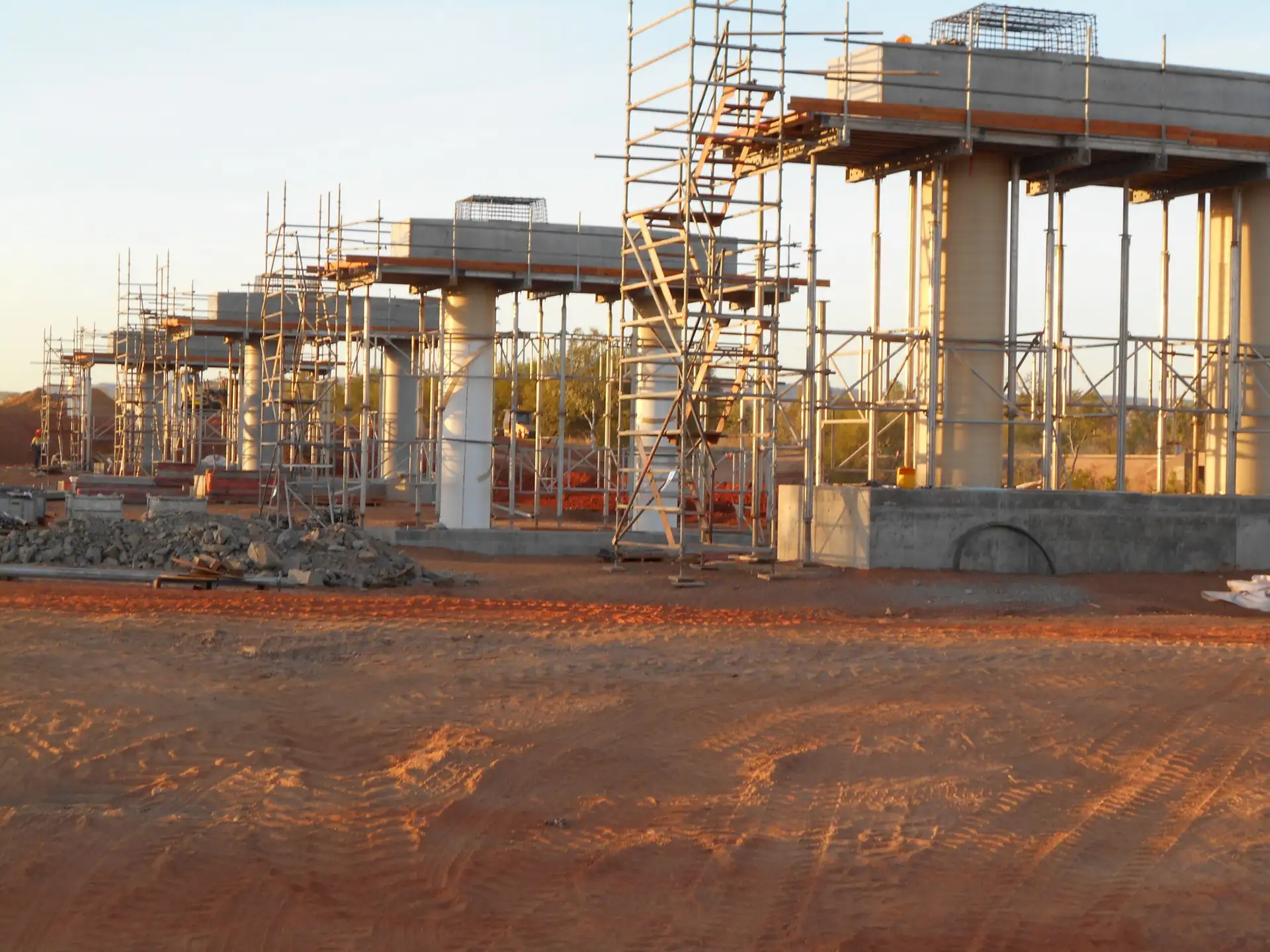
Estimating costs for bridge construction requires specialized knowledge and attention to detail. This section outlines best practices for achieving accurate estimates in this complex area.
- Specialized Material Consideration: Bridge engineers must consider the unique materials required for construction, as well as their associated costs, to prevent budget overruns.
- Load-Bearing Capacity Analysis: Analyzing the load requirements of a bridge ensures that design and materials align with safety standards, which must be factored into cost estimates.
- Long-Term Maintenance Costs: Including an assessment of future maintenance expenses can provide a more comprehensive view of a bridge’s total life-cycle cost, guiding better financial planning.
Risk and Contingency Planning
Risk assessment and contingency planning form a crucial backbone of effective cost management in civil infrastructure projects. This section explores their importance in the estimating process.
Identify Potential Risks
Risks must be identified early in the estimation phase to allow for the development of effective strategies to manage them. Comprehensive risk assessments can protect project budgets by forecasting potential financial impacts.
Final Detailed Reports
Providing detailed reports that outline identified risks and proposed contingencies allows stakeholders to better understand financial exposure and prepares them for unexpected challenges.
How do Earthworks Estimating Techniques Drive Accurate Civil Cost Analysis?
The relationship between earthworks estimating techniques and overall civil cost accuracy is significant. Accurate earthworks estimates directly contribute to reliable total project costs, impacting resource allocation and financial planning.
By utilizing precise estimating techniques, project managers can better understand their budgetary requirements, allowing for a more strategic approach in their cost management efforts. Effective earthworks estimating therefore serves as a cornerstone of successful civil cost analysis.
Key factors in Earthworks Cost Estimation Australia
In Australia, it is essential to consider the regional specifics that influence earthworks cost estimation. The following key factors should be given special attention.
- Labor Costs: Labor costs can vary significantly by region. Understanding local labor markets helps estimators prepare more accurate project budgets.
- Material Costs: The cost and availability of materials can differ throughout Australia, necessitating that estimators have local insights for accurate predictions.
- Equipment Costs: Comparing equipment rental and operation costs across regions is imperative for budget optimization and project feasibility.
Which equipment and material costs influence Earthworks estimates?
Analyzing the specific costs of equipment and materials is essential for producing accurate earthworks estimates. Here’s what estimators should consider.
- Quantity Takeoffs: Proper quantity takeoffs influence the overall costs related to materials. This process requires attention to detail in order to optimize cost management.
- Labor and Equipment Costs: Understanding the interplay between labor and equipment costs allows estimators to present a more comprehensive financial picture for their projects.
What are the Best Practices for Bridge Construction Cost Estimation?
Ensuring that cost estimations are both accurate and actionable for bridge construction projects involves implementing best practices. Here are some key strategies.
- Specialized Material Consideration: Each bridge project has unique material needs that estimators must consider meticulously to avoid unexpected costs.
- Load-Bearing Capacity Analysis: Proper analysis of load-bearing factors allows for the effective allocation of resources and funding while minimizing the risk of structural failures.
How do material prices and labour rates affect Bridge Construction Cost Estimator accuracy?
Material prices and labor rates significantly impact the accuracy of bridge construction estimations. Understanding these variables helps estimators refine their cost predictions.
- Material Fluctuations: Sudden increases in material costs can quickly erode budgets; hence, ongoing market analysis is crucial for cost accuracy.
- Labor Cost Variations: Labor rates can vary between projects, and estimators must adjust their calculations accordingly to prevent budget overruns.
Which estimating methodologies apply to bridge design complexity in Australia?
Complex bridge designs require the application of sophisticated estimating methodologies. Here are effective strategies that apply.
- Detailed Project Consultation: Engaging comprehensive consultations aids in uncovering intricate design requirements and unique cost components.
- Cost Breakdown Techniques: Utilizing detailed cost breakdown strategies helps in identifying and managing the various cost factors affecting complex projects.
How Does Quantity Surveying Integration Improve Civil Infrastructure Cost Management?
The integration of quantity surveying practices significantly enhances civil infrastructure cost management. This section discusses how it contributes to better financial outcomes.
- Cost Estimation and Budgeting: Accurate quantity surveying contributes to more precise cost estimates and budgets, which boosts project viability.
- Risk Management: Incorporating quantity surveying techniques helps identify potential financial risks early in the project lifecycle, thereby facilitating better preparedness.
What Quantity Surveying Techniques Australia support better cost forecasting?
Engaging effective quantity surveying techniques can lead to improved cost forecasting. Here are some instrumental approaches.
- Bill of Quantities: Utilizing detailed bills of quantities ensures that estimators have accurate cost projections based on a thorough analysis of resource requirements.
- Material Quantity Takeoff: Effective takeoff processes facilitate better accuracy in forecasting, directly impacting cost management strategies.
How does Quantity Surveying align with Civil Cost Estimation Services?
The alignment of quantity surveying with civil cost estimation services is critical for project success. Here’s an insight into how these fields complement each other.
- Cost Estimation and Budgeting: Through close collaboration, quantity surveyors enhance the accuracy of cost estimates, promoting greater financial discipline.
- Overhead and Indirect Costs: Addressing both overhead and indirect costs through quantity surveying leads to more transparent budgeting practices, vital for stakeholder trust.
How Can Construction Cost Management Australia Reduce Risk and Contingencies?
Effective cost management practices can help mitigate risks and incorporate contingencies within Australian infrastructure projects. Here’s how.
- Risk Identification: Actively identifying risks from the project’s onset allows for proactive measures, which can save costs in the long run.
- Contingency Planning: Developing realistic contingency plans empowers project managers to handle unforeseen circumstances with agility.
What risk assessment processes optimize civil infrastructure cost estimates?
The implementation of robust risk assessment processes plays a crucial role in optimizing civil infrastructure cost estimates. Here’s what effective processes should involve.
- Regular Risk Assessments: Conducting routine assessments enables project managers to stay on top of potential risks, ensuring timely adjustments to cost estimates.
- Collaboration with Experts: Involving experts in the risk assessment process not only enhances accuracy but also improves the overall management of project budgets.
How to budget contingencies for Australian civil infrastructure projects?
Considering contingencies is vital for effective budgeting in Australian civil infrastructure projects. The following insights provide guidance.
- Realistic Contingency Budgets: Developing contingency budgets based on historical data and project-specific factors fosters greater financial preparedness.
- Use of Advanced Tools: Leveraging technology and advanced estimation software can improve the accuracy of contingency budgeting, thereby reducing overall project risks.