

Australian Construction Procurement and Contract Administration Guide
In the Australian construction industry, navigating procurement, contract administration, and claims is crucial for project success. Understanding these elements can significantly influence project outcomes, making it essential for stakeholders to familiarize themselves with the best practices and methodologies available. This guide delves into the core aspects of procurement methods, administration best practices, and the claims process, tailored specifically to the Australian landscape. By addressing common challenges and employing effective strategies, industry professionals can mitigate risks, streamline communications, and enhance project efficiency. This article will cover the key procurement methods, best practices in contract administration, and the mechanics of the claims process, alongside insights into the pivotal role of quantity surveyors in the Australian construction framework.
What Are the Key Construction Procurement Methods in Australia?
Procurement methods in Australia refer to the various approaches taken to acquire goods and services essential for construction projects. Understanding these methods is crucial since they directly impact project efficiency, costs, and timelines. Common procurement strategies in Australia include traditional methods such as design-bid-build, and more contemporary approaches like design-build and PPP (public-private partnership) models, each offering unique benefits and drawbacks. The choice of procurement method plays a crucial role in defining the project’s success, from stakeholder engagement to contract management.
How Do Different Procurement Types Impact Project Outcomes?
Different procurement methods can significantly affect project outcomes such as cost, quality, and time efficiency. For example, design-bid-build may lead to lower initial costs but often results in extended project timelines, while design-build can enhance collaboration and speed but might involve higher upfront costs. Case studies reveal that projects utilizing design-build frameworks often report a decrease in overall project duration compared to traditional approaches. Furthermore, the chosen procurement type influences the dynamic between clients and contractors, shaping how responsibilities and risks are shared throughout the project lifecycle.
Which Procurement Strategies Align With Australian Construction Standards?
Adhering to Australian construction standards is essential for ensuring compliance, quality, and safety in procurement practices. Key standards such as AS 4000 (General Conditions of Contract) and AS 4120 (Code of Conduct for Procurement) guide construction professionals in aligning their strategies with regulatory requirements. Employing compliant procurement strategies not only reduces the risk of legal disputes but also promotes fairness and transparency in contract administration. Emphasis on compliance not only protects stakeholders but also fosters a trustworthy environment conducive to collaborative working relationships.
What Are Best Practices for Construction Contract Administration?

Effective contract administration is integral to the success of construction projects. It involves the systematic management of contracts to ensure compliance with legal obligations and project specifications. Best practices in contract administration include the establishment of clear communication channels, ongoing monitoring of contract performance, and proactive strategies for compliance and dispute resolution. By prioritizing transparency and accountability, teams can minimize misunderstandings and enhance collaboration between all parties involved. Robust documentation practices and timely communication foster operational efficiency and assist in navigating the complexities inherent to construction projects.
Measure Manage specializes in contract administration by leveraging advanced methodologies and industry expertise to effectively manage complex contractual obligations. This allows stakeholders to maintain compliance while focusing on project execution and delivery.
How Is the Contract Lifecycle Managed in Australian Construction Projects?
The contract lifecycle within Australian construction encompasses various phases, from initiation and negotiation to execution, monitoring, and closeout. Each stage plays a pivotal role in achieving successful project delivery and compliance. During contract initiation, it is essential to define objectives, scope, and stakeholder responsibilities clearly. As the project progresses, rigorous monitoring of compliance ensures that the terms of the contract are adhered to, facilitating timely resolution of disputes and minimizing potential risks.
What Are the Essential Tasks in Contract Compliance and Risk Management?
Critical tasks for effective contract compliance in the Australian construction context include routine audits, risk assessments, and performance evaluations. Regularly reviewing contract execution against original specifications helps identify any deviations that could lead to legal complications. Common risk factors in construction projects involve schedule delays, cost overruns, and unforeseen site conditions. Implementing robust compliance monitoring strategies allows stakeholders to proactively address potential issues, fostering a culture of accountability and continuous improvement.
How Does the Construction Claims Process Work in Australia?
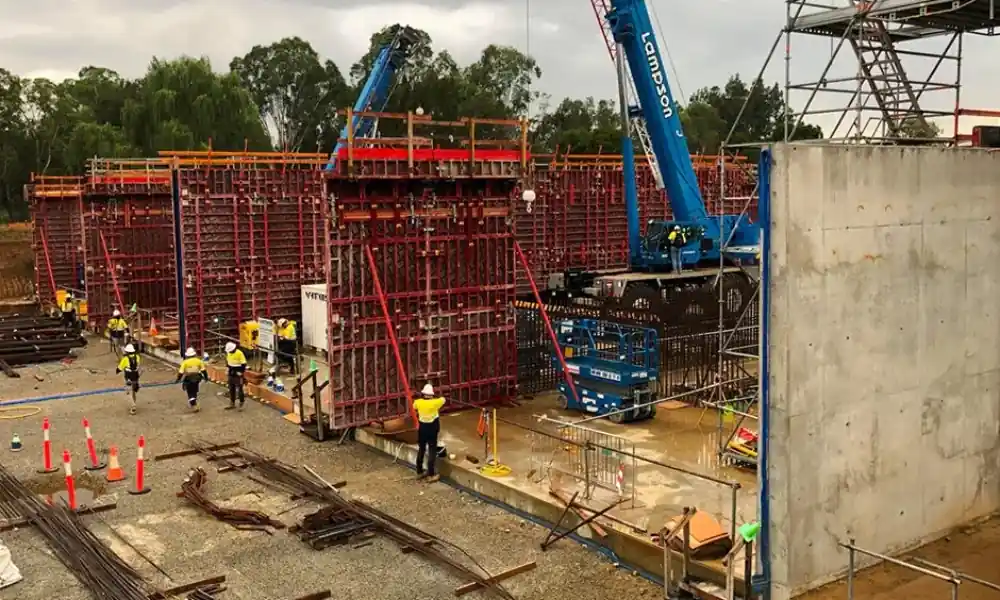
The construction claims process in Australia involves a structured approach to managing claims that arise during a project. Claim types may vary from delays and variations to more complex disputes linked to contractual interpretation. Understanding how to effectively navigate this process is essential for minimizing risk and ensuring timely resolution. Proper documentation and clear communication between parties serve as critical components of successful claims management.
What Are Common Types of Construction Claims and How Are They Mitigated?
Common construction claims include those related to delays, defects, or variations in scope. For instance, delay claims often arise from unforeseen circumstances, such as adverse weather conditions or supply chain disruptions. To mitigate these issues, employing effective project management strategies such as proactive scheduling, risk analysis, and timely communication can minimize their impact. Legal considerations also play a vital role in claims; understanding the contractual obligations and rights of each party can further facilitate swift resolutions.
How Is Claims Preparation and Submission Optimized Using MM007 Guidelines?
Utilizing MM007 guidelines aids in streamlining claims preparation and submission processes. This framework outlines best practices for clearly documenting claims and substantiating them with concrete evidence, ultimately enhancing the chances of favorable outcomes. Contractors are encouraged to prepare comprehensive claims, ensuring all relevant data, such as project timelines, budget implications, and communications, are well-documented. This systematic approach not only improves the likelihood of claims acceptance but also aids in establishing a transparent communication framework among stakeholders.
What Role Do Quantity Surveyors Play in Procurement and Contract Claims?
Quantity surveyors are integral to the procurement and claims processes in construction projects. Their expertise in cost estimation, financial management, and contract law enhances the efficiency of construction processes. By providing accurate forecasts and comprehensive financial reports, quantity surveyors help in making informed decisions that align with project budgets and timelines. Furthermore, their involvement in contract negotiations and claims management positions them as key players in facilitating collaborative outcomes among stakeholders.
How Do Quantity Surveyors Support Cost Management and Claims Prevention?
Quantity surveyors play a vital role in supporting effective cost management and minimizing the risk of claims. Implementing strategic cost control measures, they ensure that projects adhere to financial constraints while maintaining quality standards. Their expertise extends to identifying potential areas of risk and suggesting preventative measures to mitigate claims. For example, employing detailed cost analysis during the planning phase can help anticipate budget issues, ultimately reducing the likelihood of disputes later in the project lifecycle.
What Tools and Techniques Do Quantity Surveyors Use for Contract Administration?
Quantity surveyors utilize various tools and techniques for effective contract administration, including cost estimation software and project management platforms. These tools enhance precision and efficiency in tracking project costs and managing contract terms. Advanced technology, such as digital document management systems, allows for streamlined communication and information sharing among stakeholders. Consequently, these techniques significantly improve overall project transparency and facilitate quicker responses to any arising issues, thereby fostering a collaborative environment.
This comparative overview illustrates the strengths and weaknesses of various procurement methods adopted within the Australian construction landscape, enabling stakeholders to make informed decisions tailored to their project requirements.